
Power Backup in Nairobi Kenya
Reliable electricity is essential for homes, businesses, offices, schools, hotels, and other properties. Power backup in Nairobi Kenya provide a dependable source of electricity when the main power supply experiences outages, interruptions, or voltage fluctuations.
Reliable Power Backup Solutions in Nairobi Kenya
A good power backup stores electrical energy and makes it available when the main electricity supply goes off. The system can automatically or manually switch to stored energy, helping reduce downtime and interruptions.
We design power backup in Nairobi according to your electricity consumption, the equipment you need to keep running, and the required backup duration. Whether you need backup power for a home, office, shop, business, or institution, we can help you select a suitable solution.
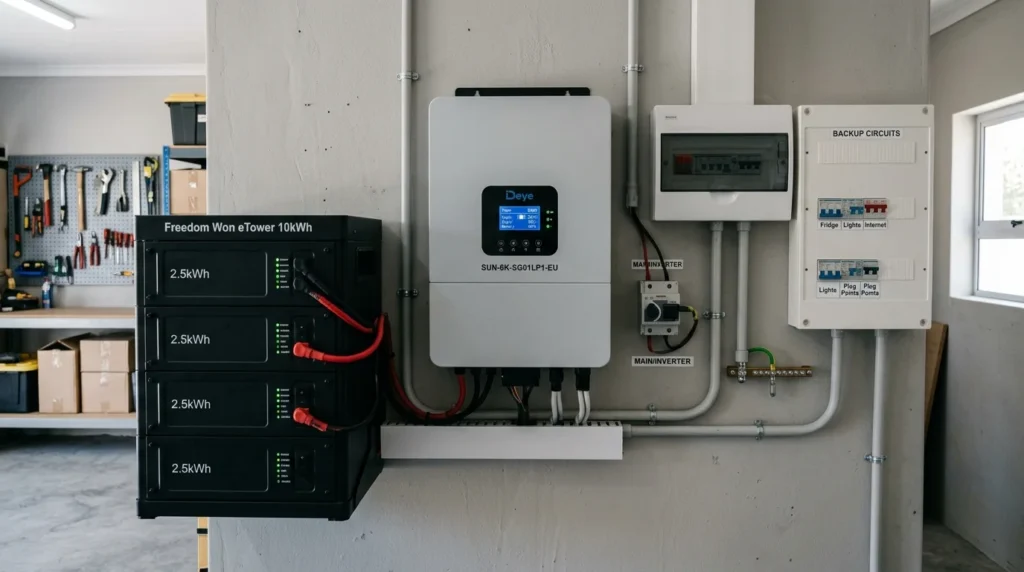
Home Power Backup in Nairobi
Power interruptions can affect everyday activities at home, particularly when they interrupt lighting, internet connectivity, refrigeration, entertainment, or security systems.
A home power backup can be designed to support essential household appliances and equipment during an outage. Depending on your requirements, the system can provide backup for:
- Lights
- TVs and entertainment systems
- Refrigerators and freezers
- Wi-Fi routers
- Computers and laptops
- Security systems
- CCTV cameras
- Phone charging
- Selected kitchen appliances
The appropriate system depends on the appliances you want to operate and how long you need them to run during an outage.
Types of Power Backup
Inverter and Battery Backup
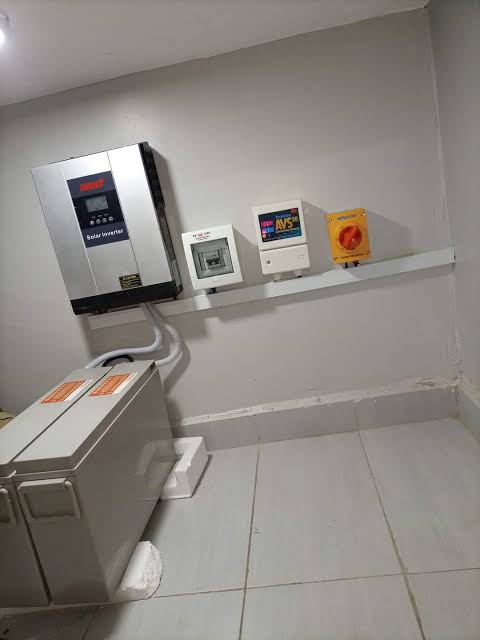
An inverter and battery system is one of the most common power backup solutions for homes and businesses. The battery stores electricity while power is available, while the inverter converts the stored DC energy into AC electricity that can be used by your appliances and equipment.
Solar Battery Backup
Solar battery backup combines solar panels, a solar inverter, and batteries to provide a more independent energy solution. During the day, solar panels generate electricity that can be used immediately or stored in batteries for later use.
UPS Power Backup
A UPS power supply provides immediate backup power to sensitive electronic equipment when the electricity supply is interrupted. UPS systems are commonly used for computers, servers, networking equipment, office equipment, security systems, and other devices that require uninterrupted electricity.
Lithium Battery Backup Systems
Lithium batteries offer a modern option for power backup . They generally provide high energy density, efficient charging, and long service life compared with many traditional battery technologies.
Benefits of Power Backup
Investing in a reliable power backup can provide several benefits, including:
- Continuous electricity during power outages
- Reduced business downtime
- Protection for sensitive electronic equipment
- Reliable lighting and communication
- Improved home comfort and convenience
- Support for CCTV and security systems
- Reduced disruption to business operations
- Integration with solar energy systems
- Better energy independence
Frequently Asked Questions About Power Backup
Power backup is a system that provides electricity when the main power supply is unavailable. It can use batteries, inverters, UPS systems, generators, solar panels, or a combination of technologies.
The best system depends on the appliances you want to power, your total electricity consumption, and the required backup duration. An inverter and battery system or a solar battery backup system can be suitable options for many homes.
Backup duration depends mainly on battery capacity and the amount of electricity being consumed. A larger battery can generally provide longer backup when properly matched to the system load.
Yes. Solar panels can be integrated with compatible inverters and batteries to generate and store electricity for later use.
We also supply and install access control systems , electric fence installation and alarm systems.
Choosing the Right Power Backup
1. Your Power Consumption: Determine which appliances and equipment need backup power and how much electricity they consume.
2. Required Backup Duration: Decide how long you need your equipment to operate during a power outage. A system designed for one hour of backup will require different battery capacity from one designed for several hours.
3. Inverter Capacity: The inverter should have sufficient capacity to handle the total power requirements of the equipment connected to the system.
4. Battery Capacity: Battery capacity determines how much energy can be stored and affects how long your backup system can operate.
5. Solar Integration: If you want to generate and store your own electricity, a solar-compatible backup system can combine solar panels, an inverter, and battery storage.
Contact Us
Don’t let unexpected power outages interrupt your home or business operations. Alltech Kenya provides reliable power backup in Nairobi Kenya designed around your electricity requirements.
- Room 101, 2Nd Floor,White Angle House, Nairobi CBD
- 0722967544
- info@www.alltechkenya.co.ke